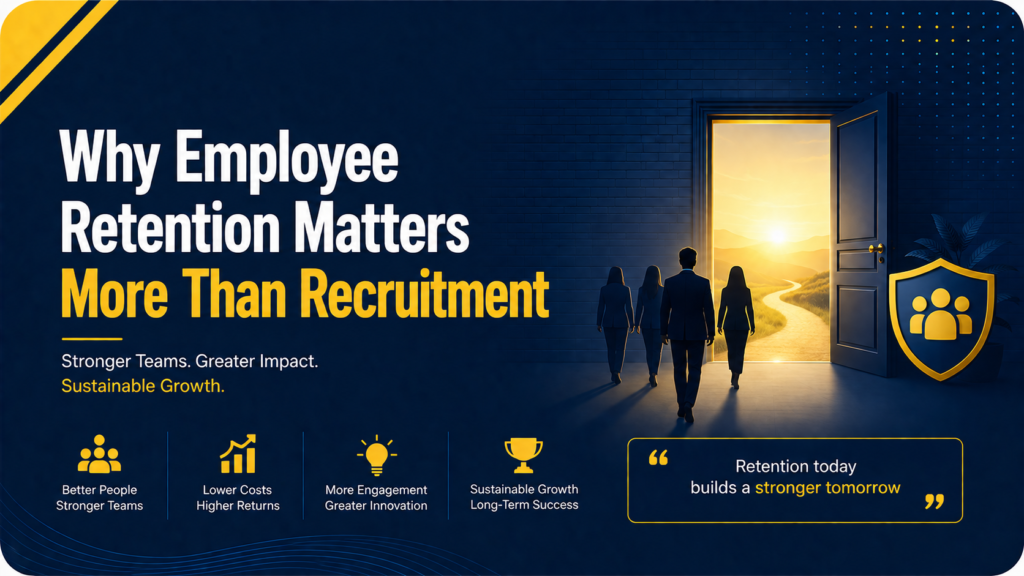
Ajay Srinivasan, the veteran business leader highlights an issue that many organizations continue to overlook—employee retention. While companies spend significant resources attracting new talent, they often fail to invest the same effort in keeping their best employees engaged and motivated.
According to him, businesses that focus only on recruitment while neglecting retention are creating an expensive cycle of hiring and replacement. His perspective encourages organizations to rethink how they measure long-term value, not just for customers but also for employees.
Recruitment Gets Attention, Retention Deserves It
Hiring top talent has become a priority for organizations across industries. Companies compete through attractive salaries, employer branding, and extensive recruitment campaigns.
However, once employees join the organization, many businesses assume that retention will happen naturally. This assumption often proves costly.
As highlighted replacing an experienced employee involves much more than filling an empty position. Recruitment costs, onboarding expenses, lost productivity, and the time required for a new employee to reach full performance all contribute to a significant financial impact.
Organizations that improve employee retention can reduce these hidden costs while building stronger and more productive teams.
The Real Cost of Losing Good Employees
Employee departures affect much more than the balance sheet. Experienced professionals leave behind valuable institutional knowledge, trusted client relationships, technical expertise, and mentorship that cannot easily be replaced.
Every long-serving employee understands internal processes, customer expectations, and company culture in ways that new hires need months—or even years—to develop.
This loss of knowledge can disrupt projects, reduce team morale, and slow overall business performance.
Retention Is About Keeping the Right People
One of the most important observations shared by Ajay Srinivasan is that retention should not simply be measured by maintaining low attrition numbers.
Not every employee contributes equally to an organization’s success. Businesses should focus on retaining high-performing individuals who consistently create value, demonstrate leadership, and contribute to innovation.
Instead of celebrating low turnover alone, organizations should monitor “regretted attrition”—the loss of employees they genuinely wanted to keep.
This approach provides a much clearer picture of organizational health than headline attrition figures.
Managers Play a Bigger Role Than Perks
Many organizations attempt to improve retention through workplace perks, recreational facilities, or employee benefits.
While these initiatives may enhance the work environment, they rarely address the primary reason talented employees leave.
As discussed in this effective leadership remains one of the strongest drivers of employee engagement. Research consistently shows that managers significantly influence job satisfaction, motivation, and long-term commitment.
Employees are more likely to stay when they receive meaningful feedback, opportunities for professional growth, recognition for their contributions, and support from capable managers.
Companies that invest in selecting and developing strong leaders often experience better retention outcomes than those relying solely on workplace incentives.
Employee Retention Strengthens Employer Branding
Organizations with high employee retention enjoy advantages that extend beyond internal operations.
Satisfied employees naturally become brand ambassadors. They recommend their workplace to friends, share positive experiences within professional networks, and strengthen the company’s employer reputation.
These referrals reduce recruitment costs while attracting candidates who already have confidence in the organization’s culture.
In contrast, frequent employee turnover creates negative perceptions that can make hiring increasingly difficult over time.
Building Sustainable Business Growth
The latest Ajay Srinivasan News serves as a reminder that sustainable business success depends on balancing recruitment with employee retention. Hiring exceptional talent remains important, but organizations must also create environments where their best people choose to stay.
As Ajay Srinivasan Former CEO of Aditya Birla Capital, Srinivasan emphasizes that meaningful work, opportunities for continuous learning, and effective leadership matter far more than temporary workplace perks.
Conclusion
The message from Ajay Srinivasan News is straightforward: recruitment opens the front door, but retention determines whether organizations can sustain long-term success.
Businesses that prioritize employee development, strong leadership, and meaningful career growth will retain their top performers while naturally attracting new talent. As Ajay Srinivasan, the Former CEO of Aditya Birla Capital, suggests, companies that close the “back door” of unnecessary attrition will ultimately build stronger teams, lower hiring costs, and create a more resilient organization.